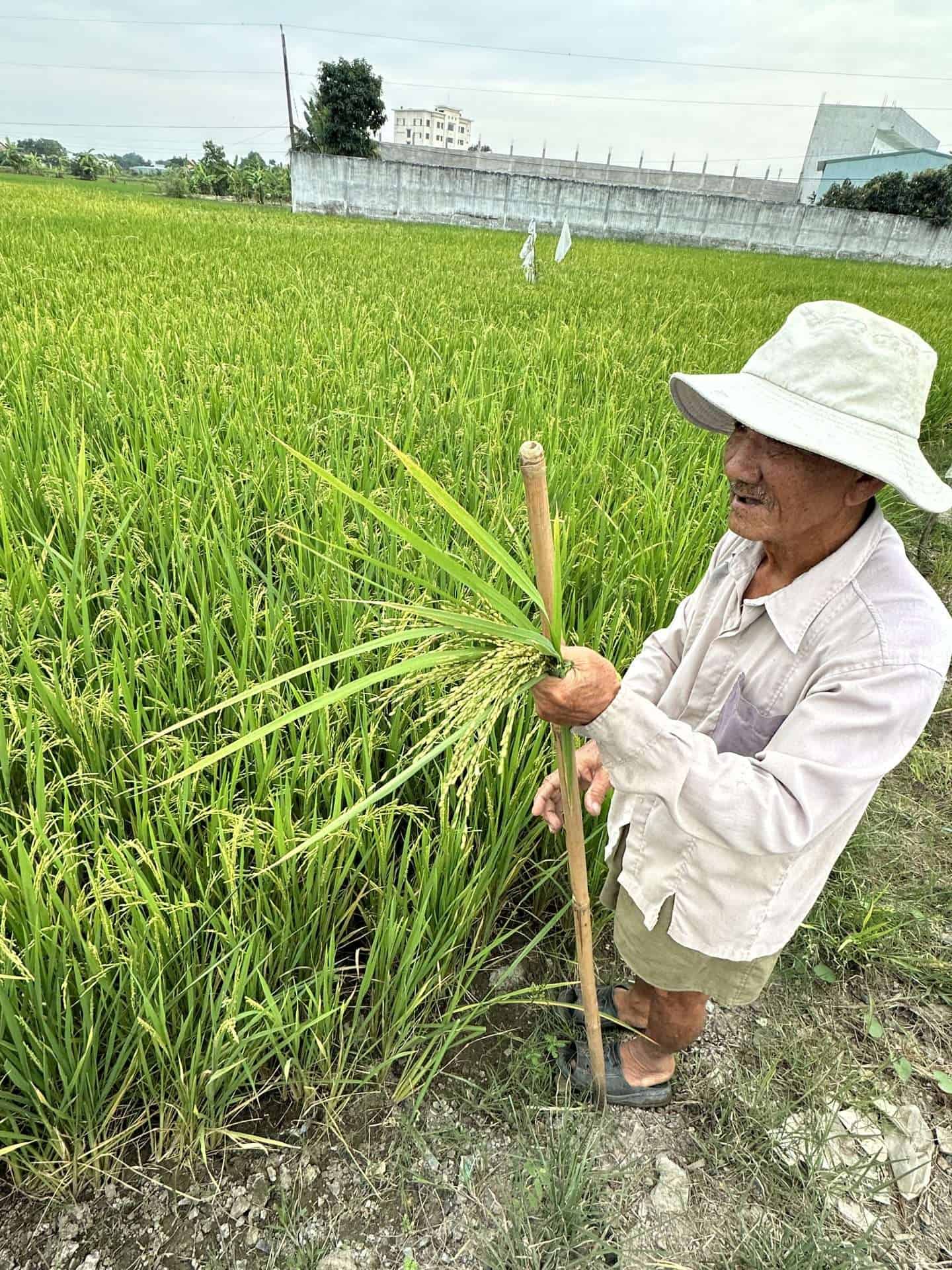
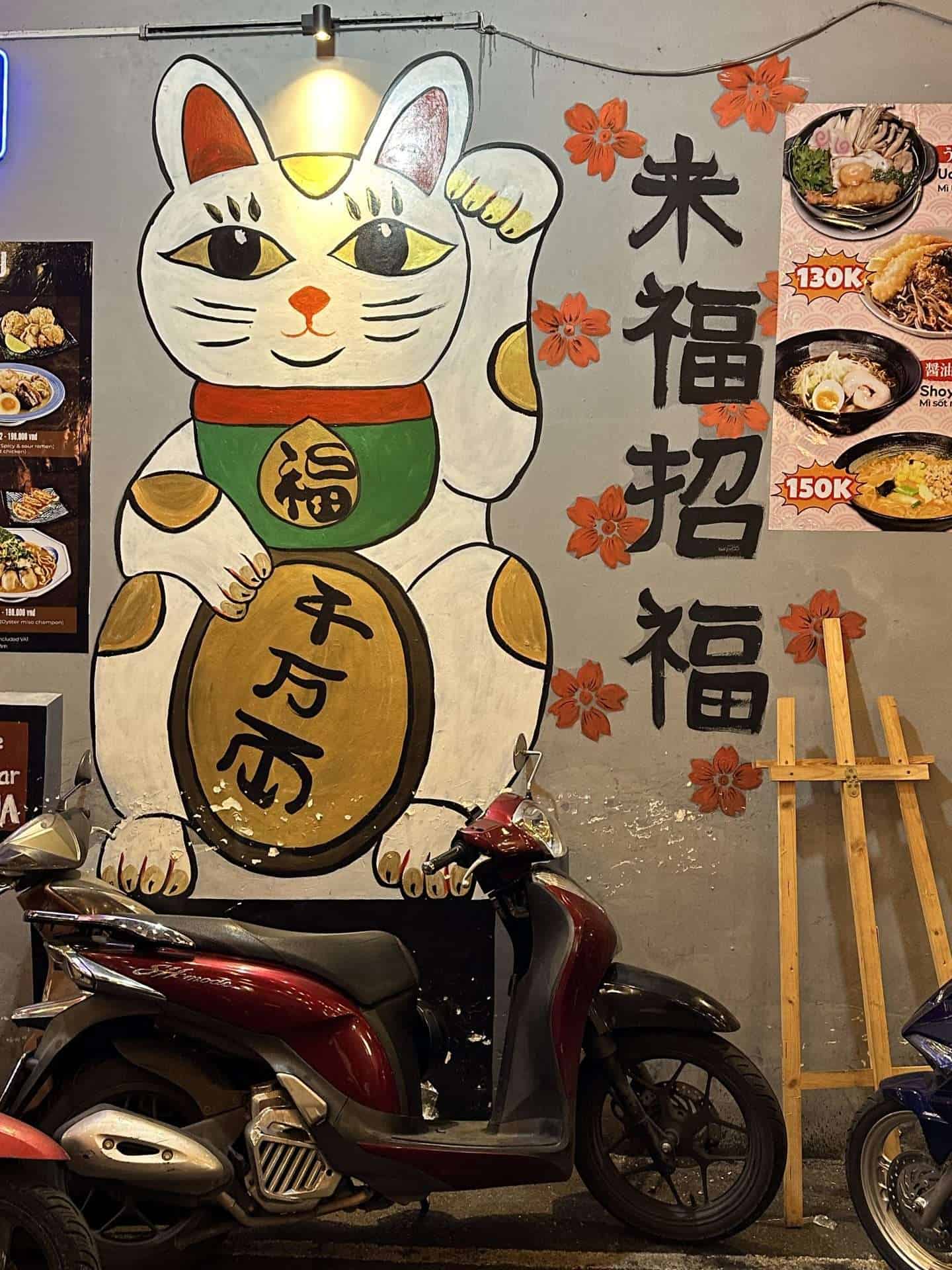
Vietnam is a country full of rich culture with a contrast of quiet countrysides and vibrant (borderline chaotic) city centers. It also however has a history of occupation and devastating war. When visiting Vietnam, it is important to recognize how far the country has come in only 30 years.
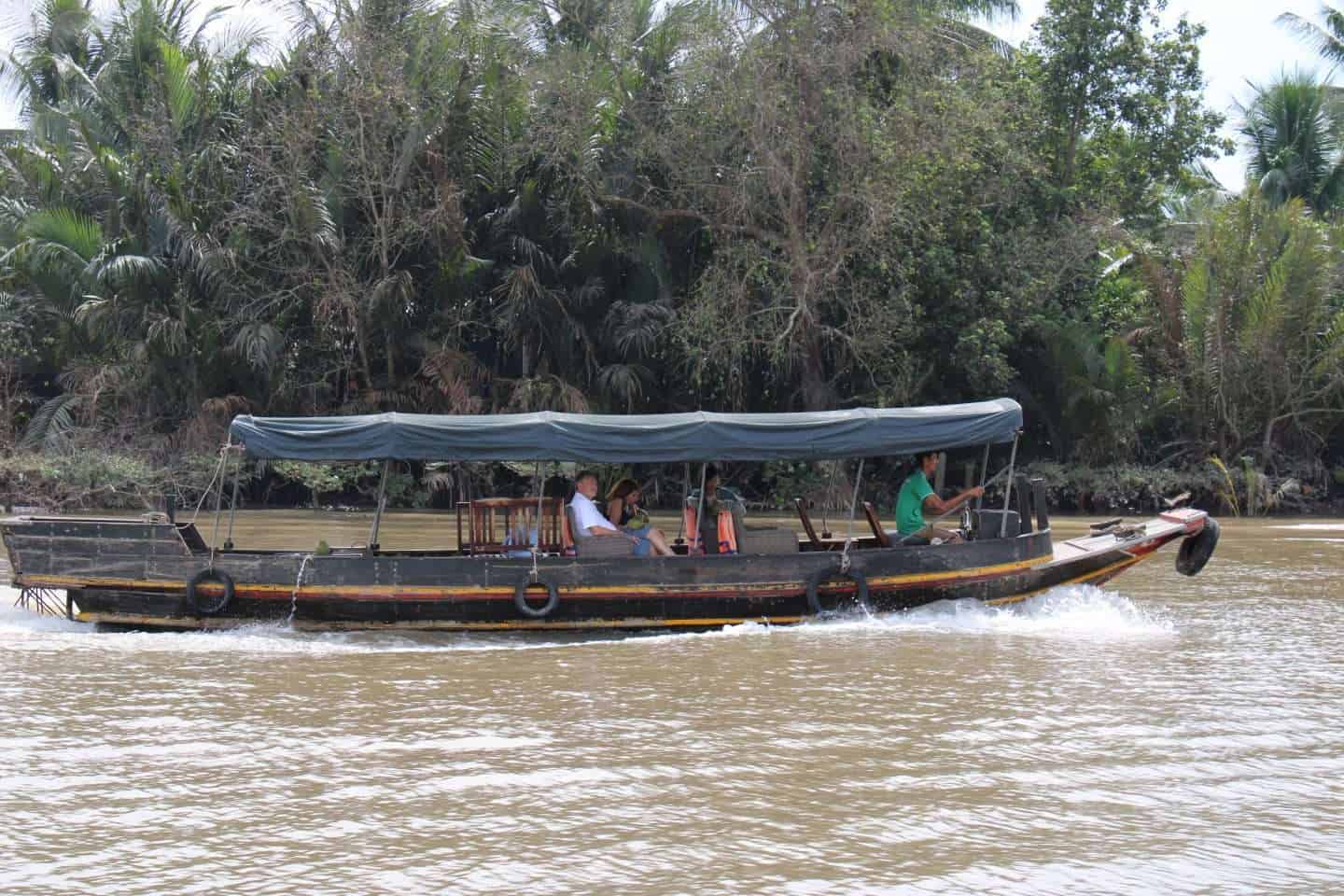
Recent history of Vietnam
In the late 1800s France occupied and ruled over many countries within Southeast Asia. In certain areas, especially Ho Chi Minh City (Saigon), you’ll notice many western style art deco buildings from the 1920-30s. During World War II, as an ally of Germany, Japan took over northern Vietnam while France was focused on the war at home. This led to a rise in both Vietnamese nationalism and the communist party causing a divide between north and south Vietnam. Over the next few decades there would be multiple wars to remove international occupation of Japan, France, and later the United States in Southern Vietnam.
The American/Vietnam war took place from the early 1960s until the mid 1970s. Following the war, millions of civilians and military members died during the war, and nearly as many suffered from the long lasting effects from injuries and exposure to the chemical bombs used in the war. Vietnam was unified as a singular country in 1975.
Visa Requirements When Visiting Vietnam
Whether arriving by bus, boat or plane, you need a tourist visa when visiting Vietnam. Except with emergency situations, you need to have your visa application submitted and approved as an e-visa, or pick up on arrival. Unlike Cambodia, you cannot submit your application in person, you can only pick up your pre-approved visa in person.
- The turnaround time for an e-visa for visiting Vietnam is up to 3 business days
- Your visa is valid to use for 90 days from initial arrival.
- The cost of a visa is $25 for a single entry e-visa or $50 for a multiple entry e-visa.
- You will need a passport photo to submit with your application
- DO NOT USE A THIRD PARTY TO GET YOUR VISA
- Airlines (such as Delta) have an option to purchase your visa through their site ahead of your visit. But they are using a third party vendor to do this, and as a result, charge a third party price. The cost to get a visa through Delta’s vendor is $66 versus the $36 directly through the Cambodian government.
- Save your money and book the visa through the official site
- You can use a credit card to purchase your visa online
- Be sure to bring a paper copy of your visa for customs
What Languages are Spoken in Vietnam?
Vietnamese is the language spoken in Vietnam. Basic English is spoken in the more tourist-heavy areas of the country. However, even in Saigon once you are outside the main district 1 shopping, restaurant and bar areas, English is limited within the city.
Use google or a translate app when you need to, or a calculator app to confirm prices.
Be sure to learn “thank you”, which is camon (pronounced like come on).
How Do You Pay for Things While Visiting Vietnam?
Vietnam is a very CASH HEAVY country, however restaurants and bars are more likely to take credit cards. If you are using the Grab app (SE Asian Uber) you can set up your credit card and not have to worry about paying for cars or scooters. Also since most of the taxi drivers do not speak English, you will know up front how much you are paying without any surprises.
Currency
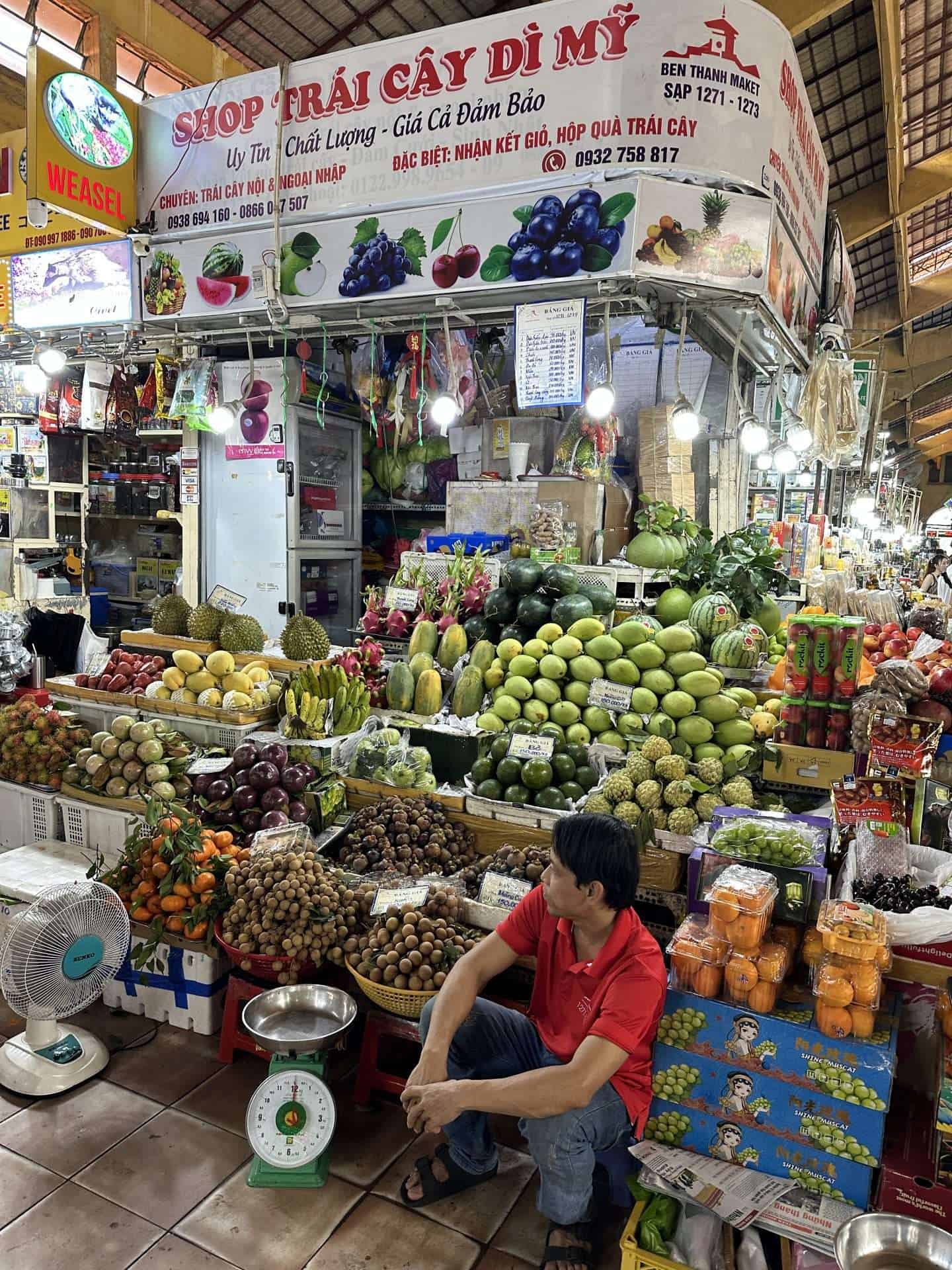
The Vietnamese Dong is the official currency of Vietnam. The exchange rate varies, but typically sits around 25000:1, so 25,000 dong to 1 dollar. It’s easier to just drop the extra zeros and think of it as 25:1 for quicker math. Many small local restaurants have soups for 55000 dong, which ends up as just over $2.
Tipping
Tipping is not very common in SE Asia or Vietnam. At bars and restaurants it is not required to tip your servers. You’ll also notice the level of service is very different than in North America. After you order you’ll usually have to flag your server down when you need anything else or to pay the bill, otherwise they aren’t checking in on you. For guided tours it is a nice gesture (but not required) to tip your guide (and driver). I usually tip $5-10 for a single day tour for just myself and more for a group. It is also a nice gesture to leave a tip for your hotel cleaners.
When is the best time for Visiting Vietnam?
Winter is the peak time to visit Vietnam because it is the dry season. Even though it is “winter” the weather can still be in the 90s in December in Southern Vietnam, and the high 70s in Northern Vietnam. Beware, it is very busy during the holiday season (Christmas and New Years), so expect to pay more for hotels with fewer options available at this time.
Early spring and late fall are also popular as the weather can be favorable, but with fewer visitors.
The rainy season typically runs from late spring to mid-fall (June-November). It is also hottest at this time of year.
How Do You Get Around in Vietnam?
Local Transportation to Use While Visiting Vietnam
The best way to get around within the larger cities of Vietnam is by using the Grab app. This is essentially the same as Uber, but it works throughout Southeast Asia. With the app you can use a credit card and save your cash. You’re also able to tip and rate your drivers.
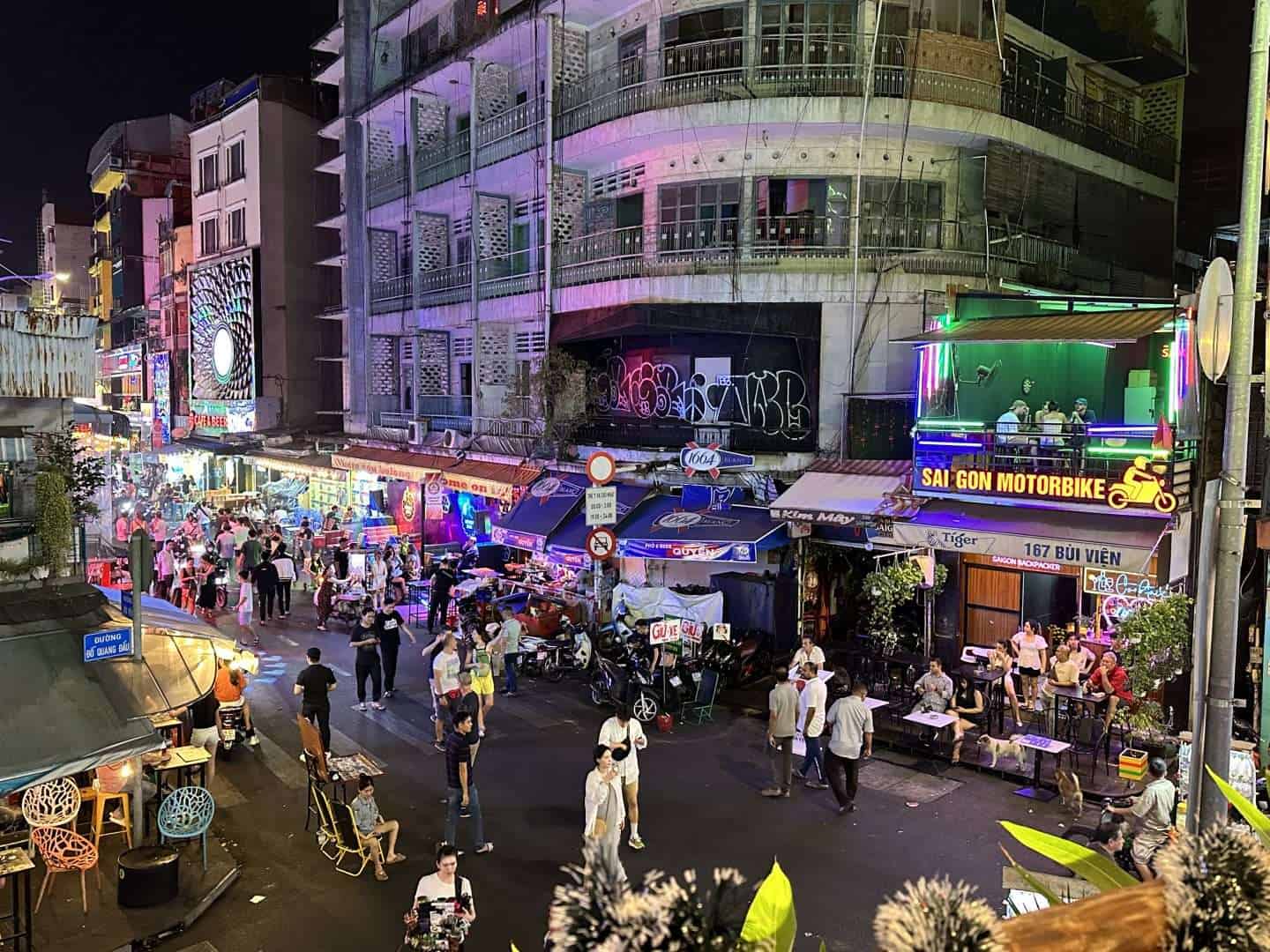
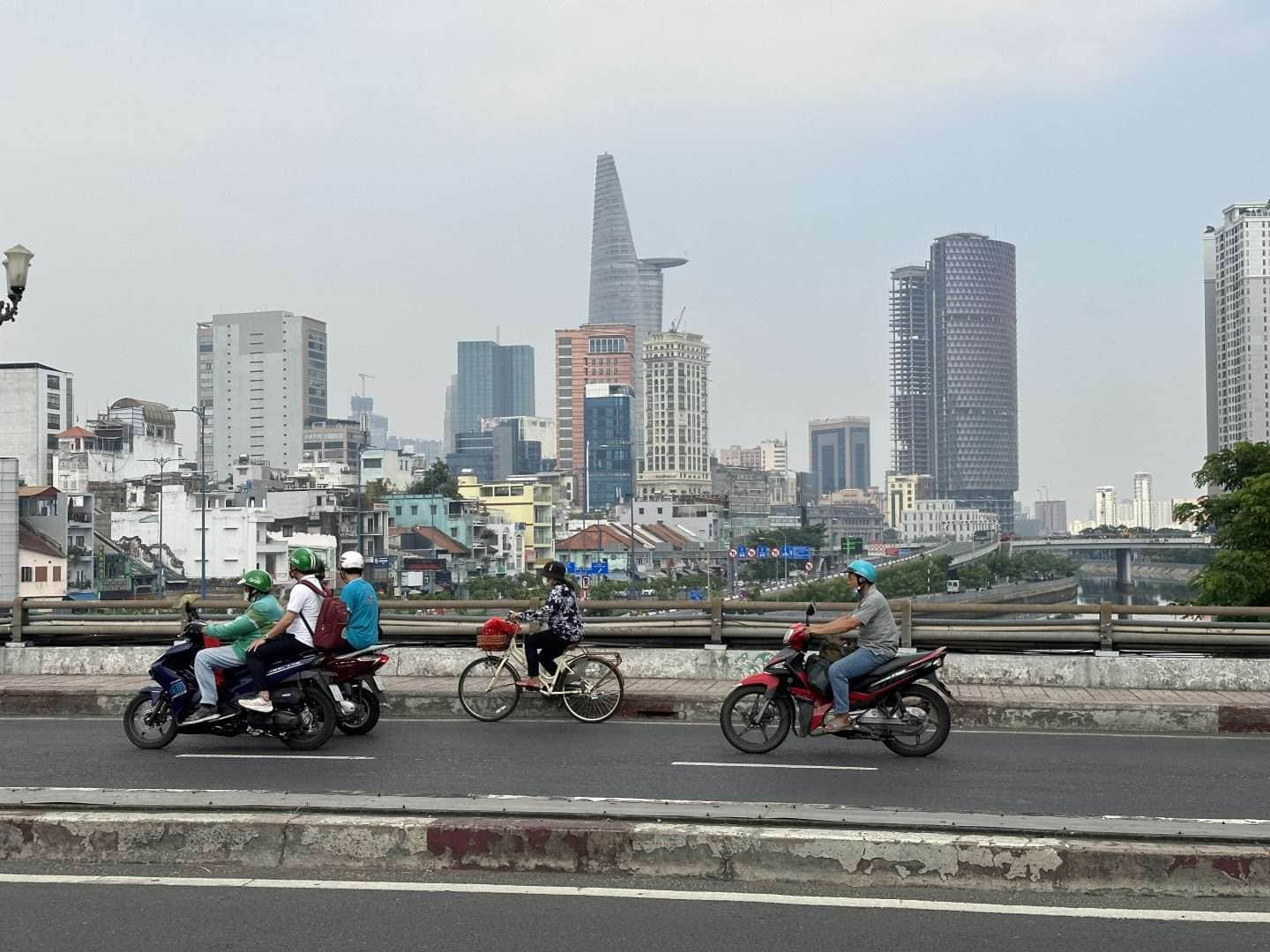
Like Uber, the app gives you options for what type of vehicle to select. You will have the option of a car or scooter. Unless you are very comfortable on a motorcycle or scooter, I do not recommend getting a scooter in any of the larger cities. The traffic in Ho Chi Minh City is unbelievable. You’ll see thousands of scooters massed together trying to navigate intersections.
DO NOT get a taxi from the airport, order a Grab. The taxis will charge you up to 3x what you would pay to take a Grab. If you do not have phone service set up, you can log onto the airport wifi for free to use the app, then connect with your driver.
Walking
Ho Chi Minh City (HCMC) is a fairly walkable city being that it is flat, and most of the main tourist attractions and groupings of bars and restaurants are not terribly far apart. HCMC has sidewalks all throughout the city, so you won’t be walking in the streets. There are areas in the center of district 1 that are very walkable.
However, crossing intersections, especially at the multi-direction intersections and roundabouts can be very scary and intimidating. While there are traffic signals, the cars and scooters keep going even after the lights have changed. Don’t let this scare you. When crossing the street or an intersection you need to 1) be assertive 2) make eye contact and 3) keep moving! You’ll be surprised to find that the scooters will move around you, but you have to keep moving. Do not become an island in the middle of the street.
When in doubt, walk with the locals or call a Grab..
Transportation Between Cities in Vietnam
While visiting Vietnam you’re likely to arrive in Hanoi or Ho Chi Minh City with plans to travel elsewhere during your stay.
Due to the time to travel between north and south Vietnam, and the low cost of one way flights both within the country and to neighboring countries, air travel is the most common way to get around Vietnam.
If you are flying be sure you check your flight status prior to leaving your hotel. If there are any issues with your flight such as delays, you will have a better time staying at the hotel or exploring the city than the airport.
Is Visiting Vietnam safe?
Yes, while visiting Vietnam I felt extremely safe during my entire (solo) trip. On sites like the US State Department website, you will see notes that typically crimes that occur against tourists are petty theft. Wear bags with crossbody straps and keep your phone and electronics close by to prevent anyone from grabbing while on a scooter.
Food and Drinks While Visiting Vietnam
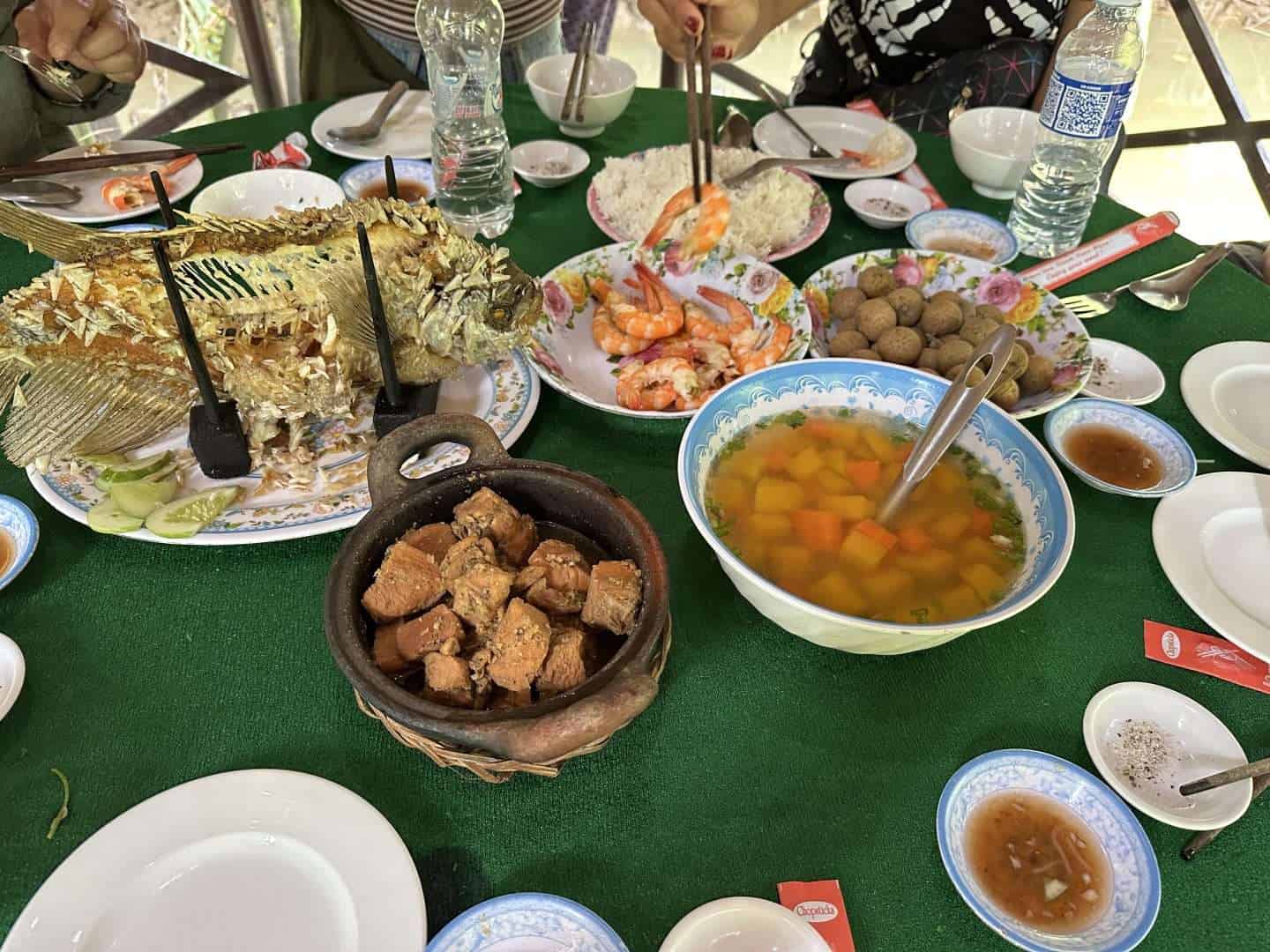
Vietnam is considered a great foodie destination. Not only will you find a lot of great food options, but you can dine out very cheaply in Vietnam.
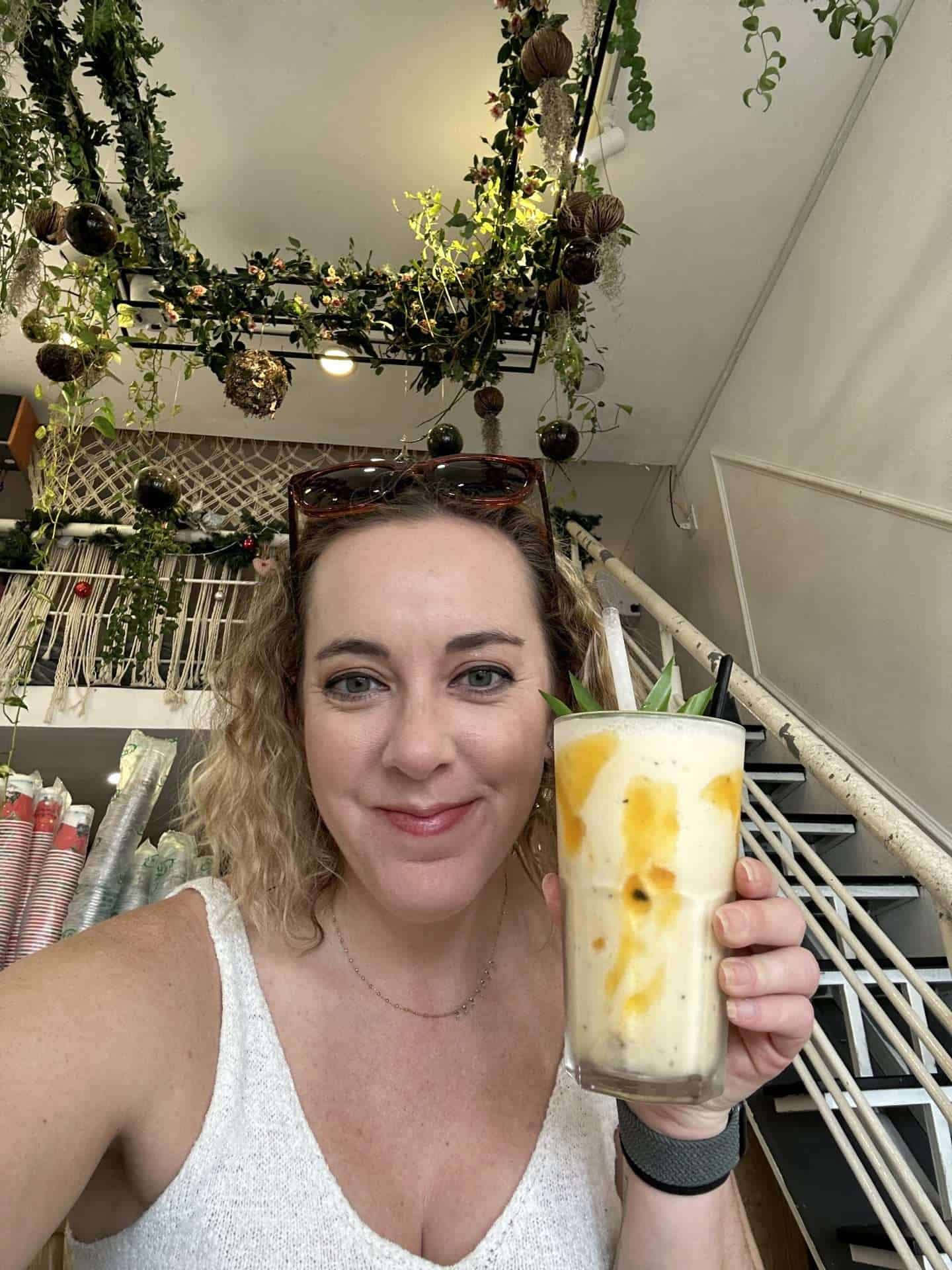
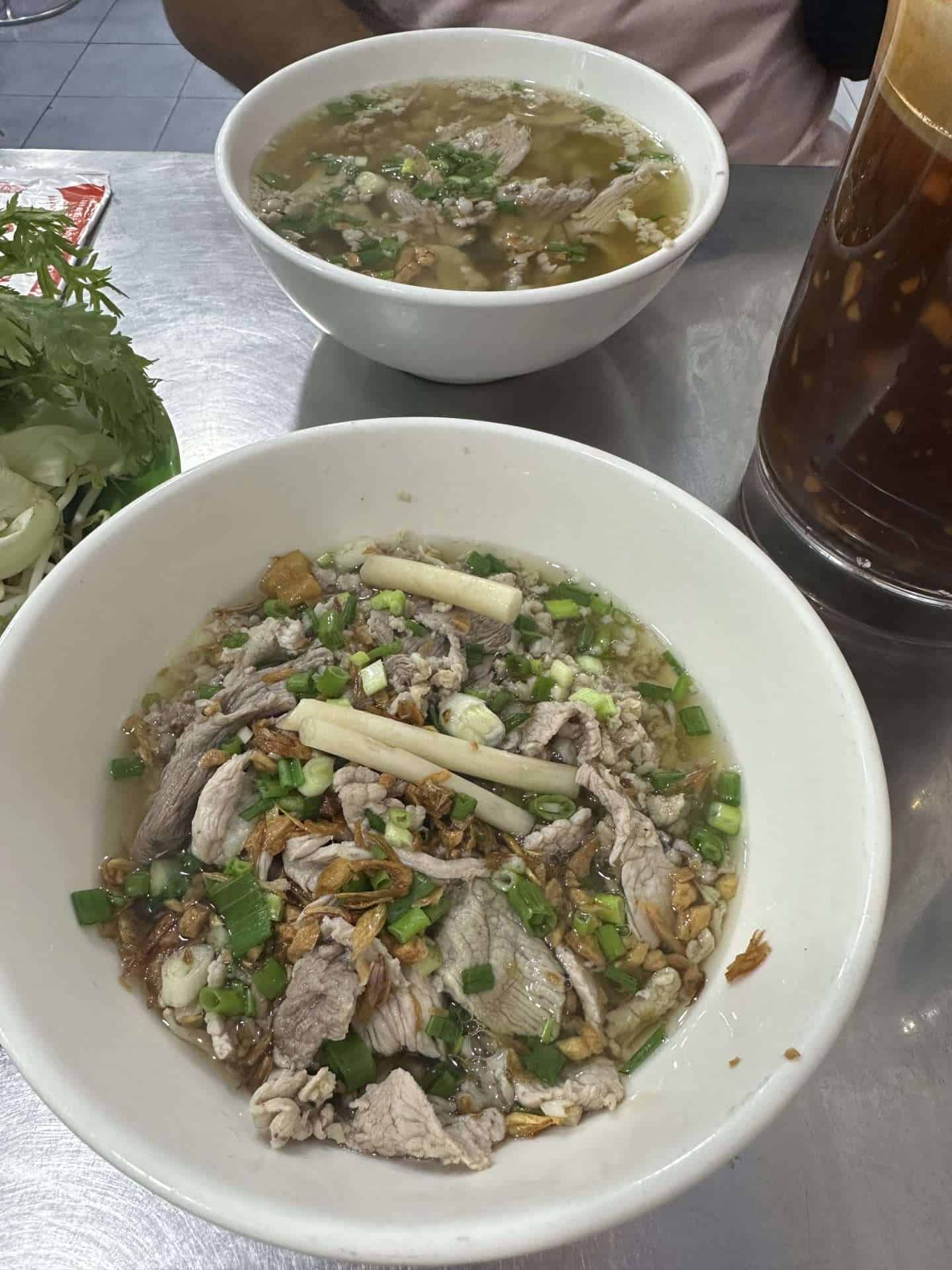
You’ll find regional foods that vary from north to south, but will be able to find classic staples like Bahn Mi or Pho throughout the country. Do not leave Vietnam without getting multiple bowls of fresh noodle soup, a fresh fruit smoothie, and a passion fruit mojito.
Like most Southeast Asian countries, Vietnam has a ton of options for street food. My biggest issue was the language barrier. Many of these vendors do not speak English, or have signs in English. So you need to be comfortable with eating something when you may not know what it is.
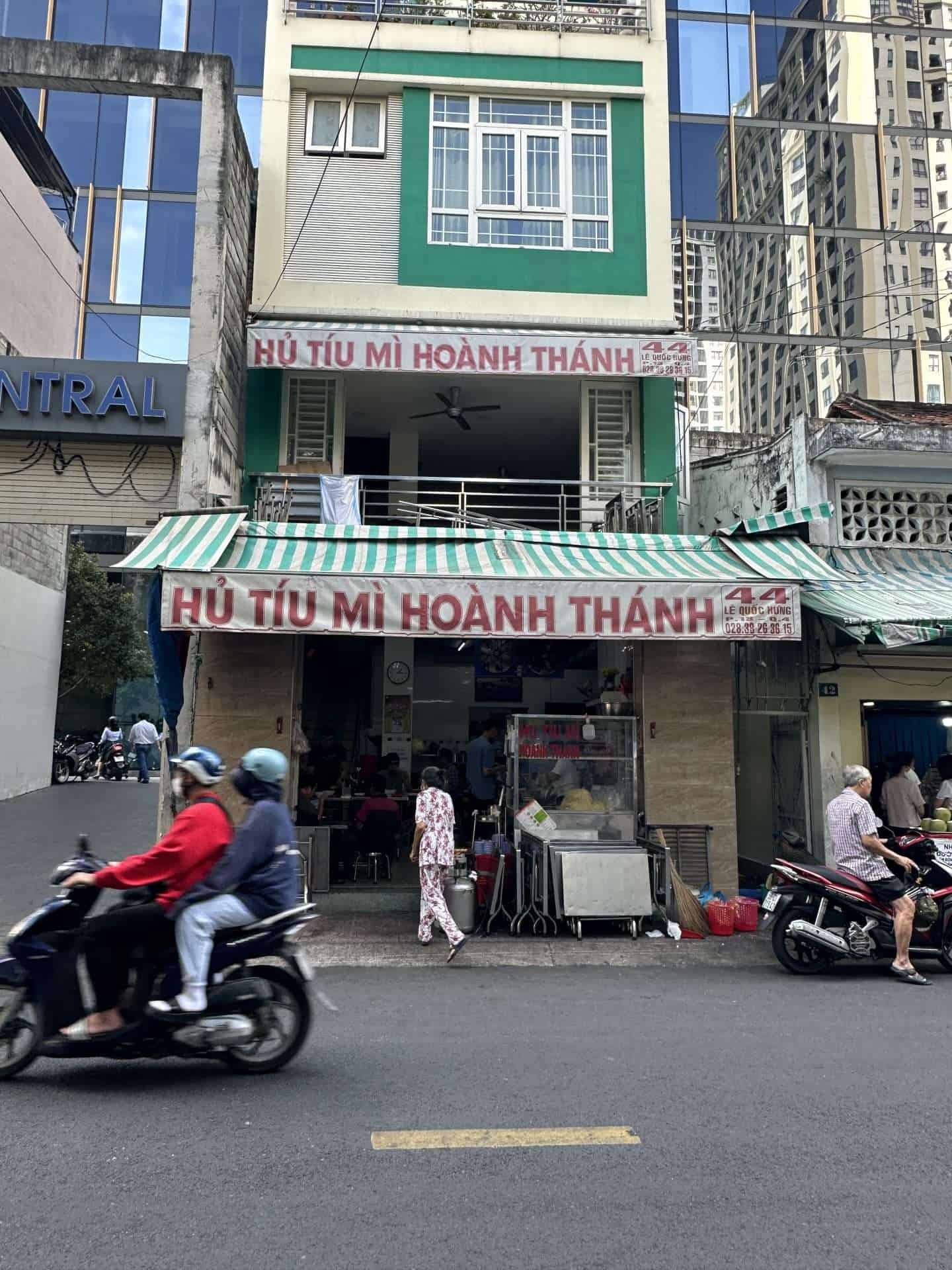
Aside from street food, you have to go to the small hole in the wall spots. These are the best places for inexpensive local food. You’ll be able to get noodles for $2-3 a bowl. Thankfully, even though many of these small restaurants are only frequented by locals, they will have laminated menus in Vietnamese and English.
You’ll usually find a “walking street” in the large cities. This is where you’ll find a concentrated area of loud clubs and bars. These can be a sensory overload, but also great for people watching. Know that the bars and restaurants in this area are catering to a tourist crowd and will have tourist prices. You’ll probably pay $7 a drink instead of $4 in a non-tourist part of town.
Rooftop Culture in Vietnam
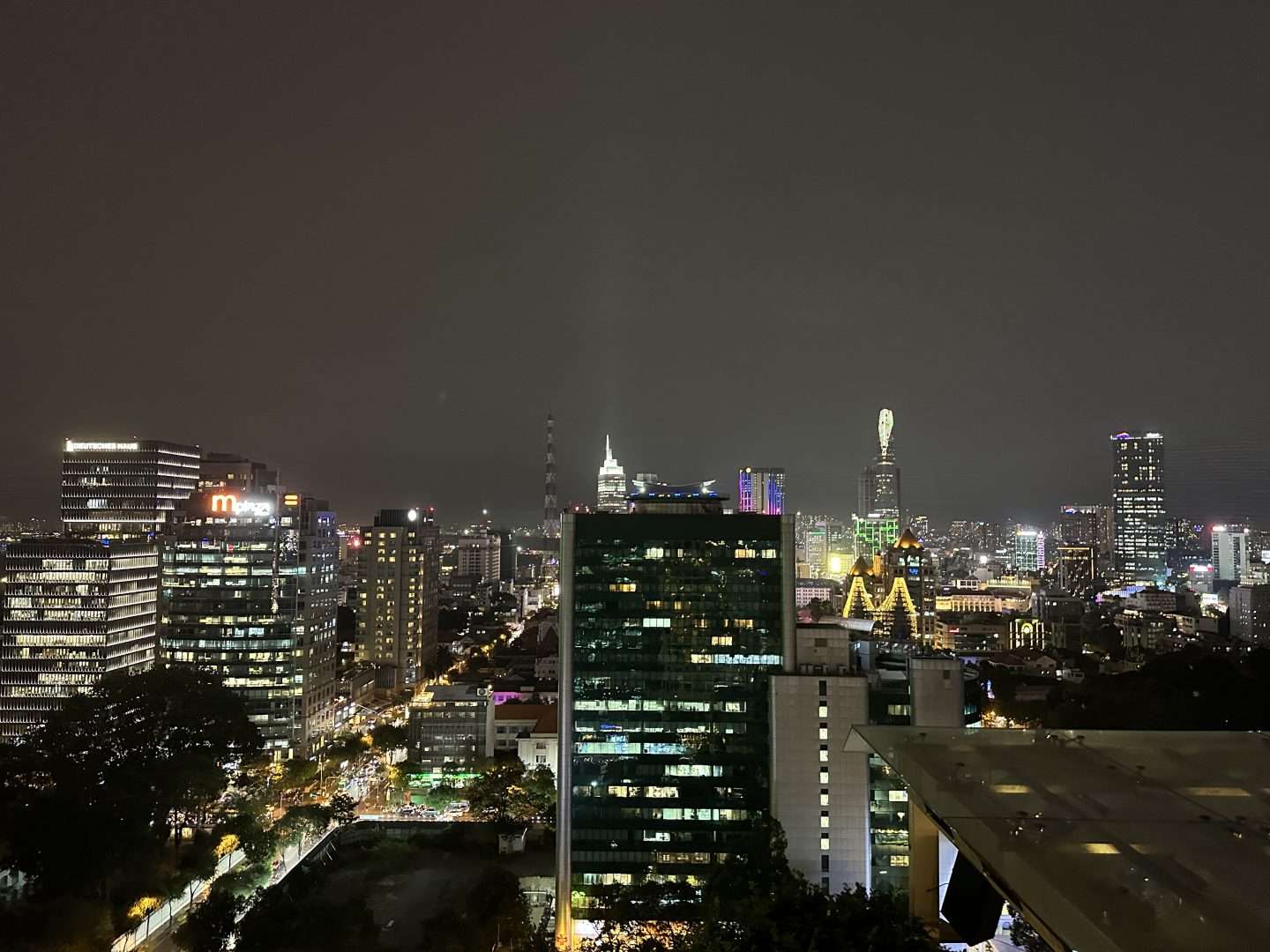
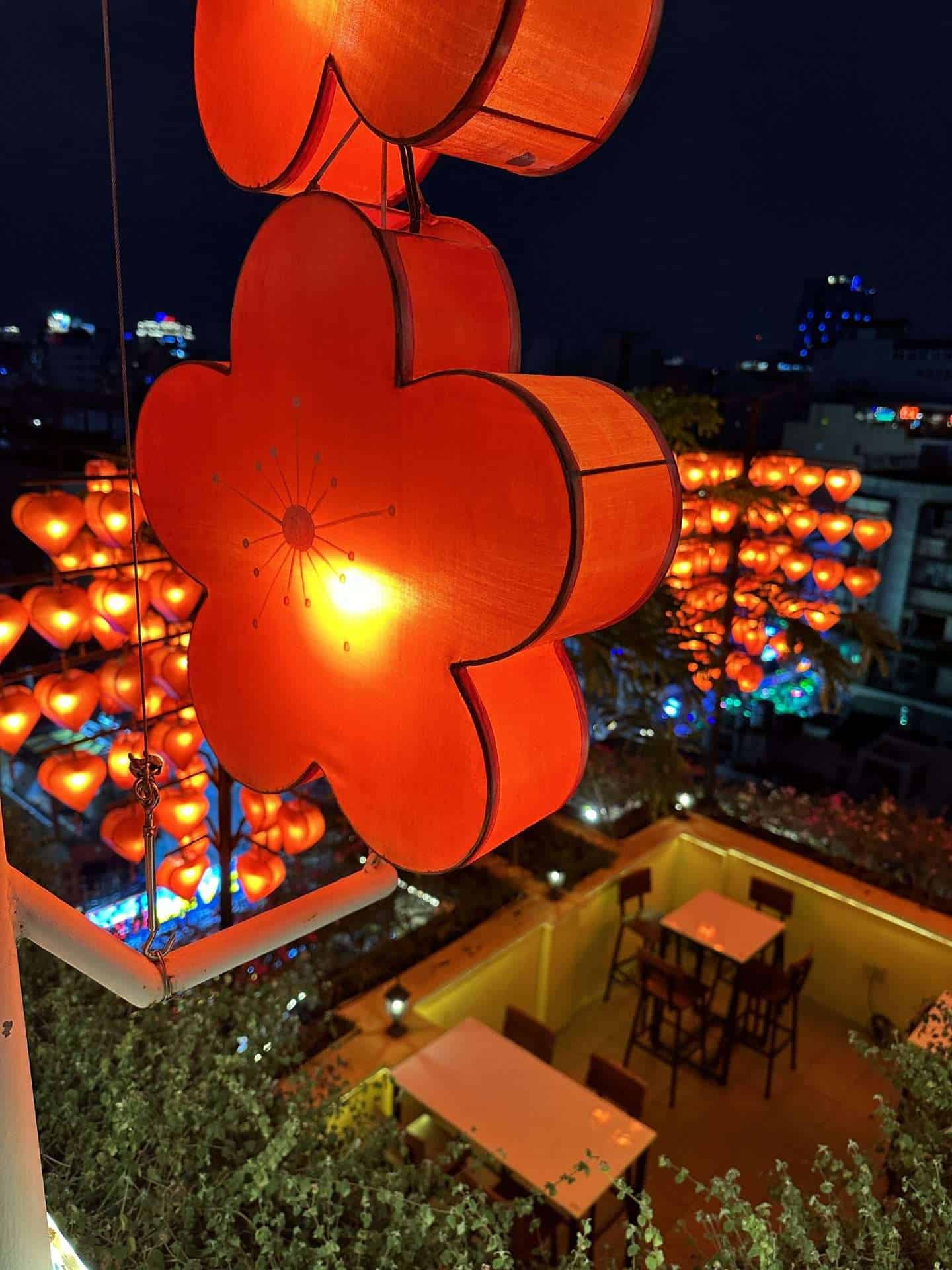
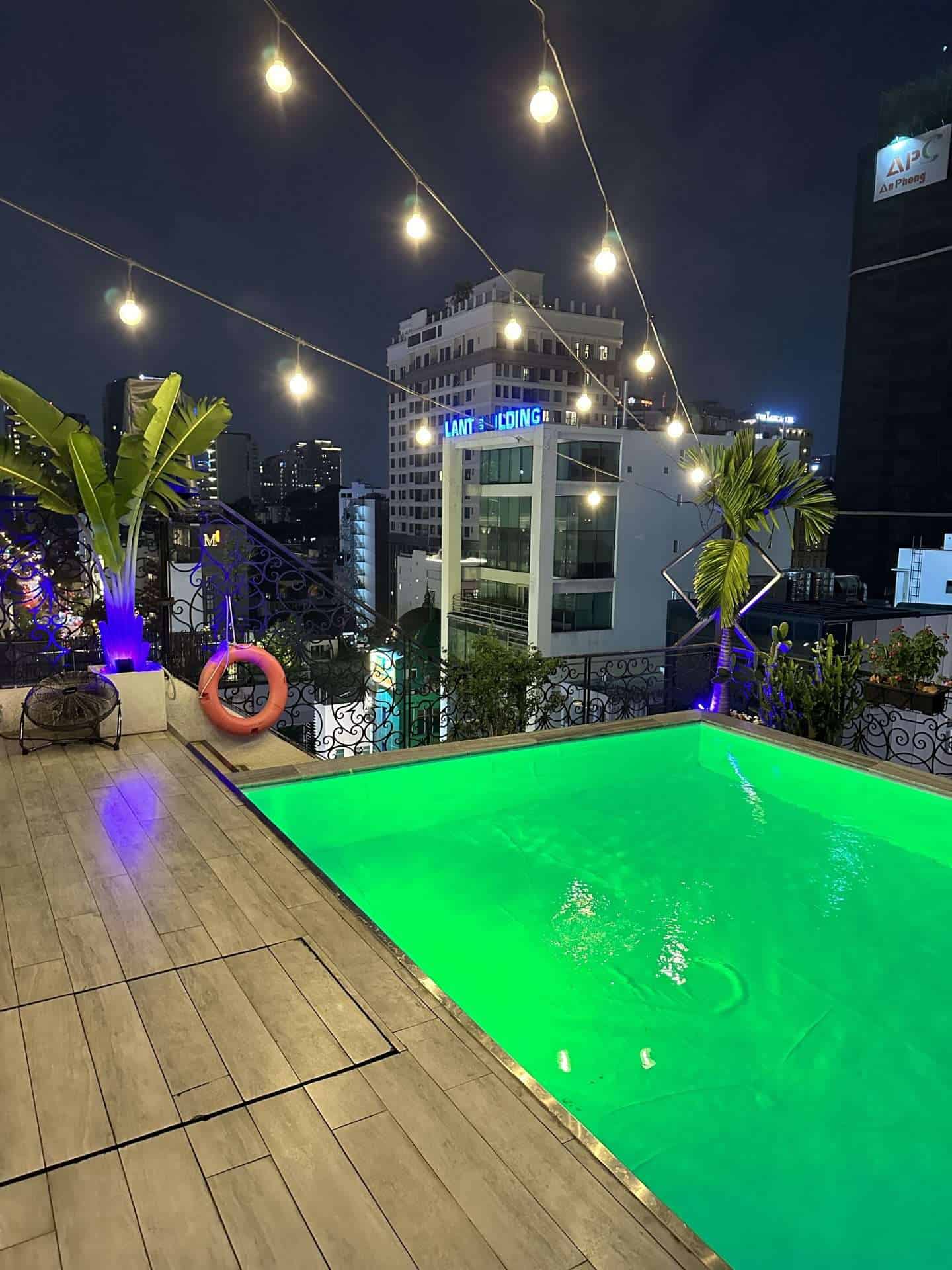
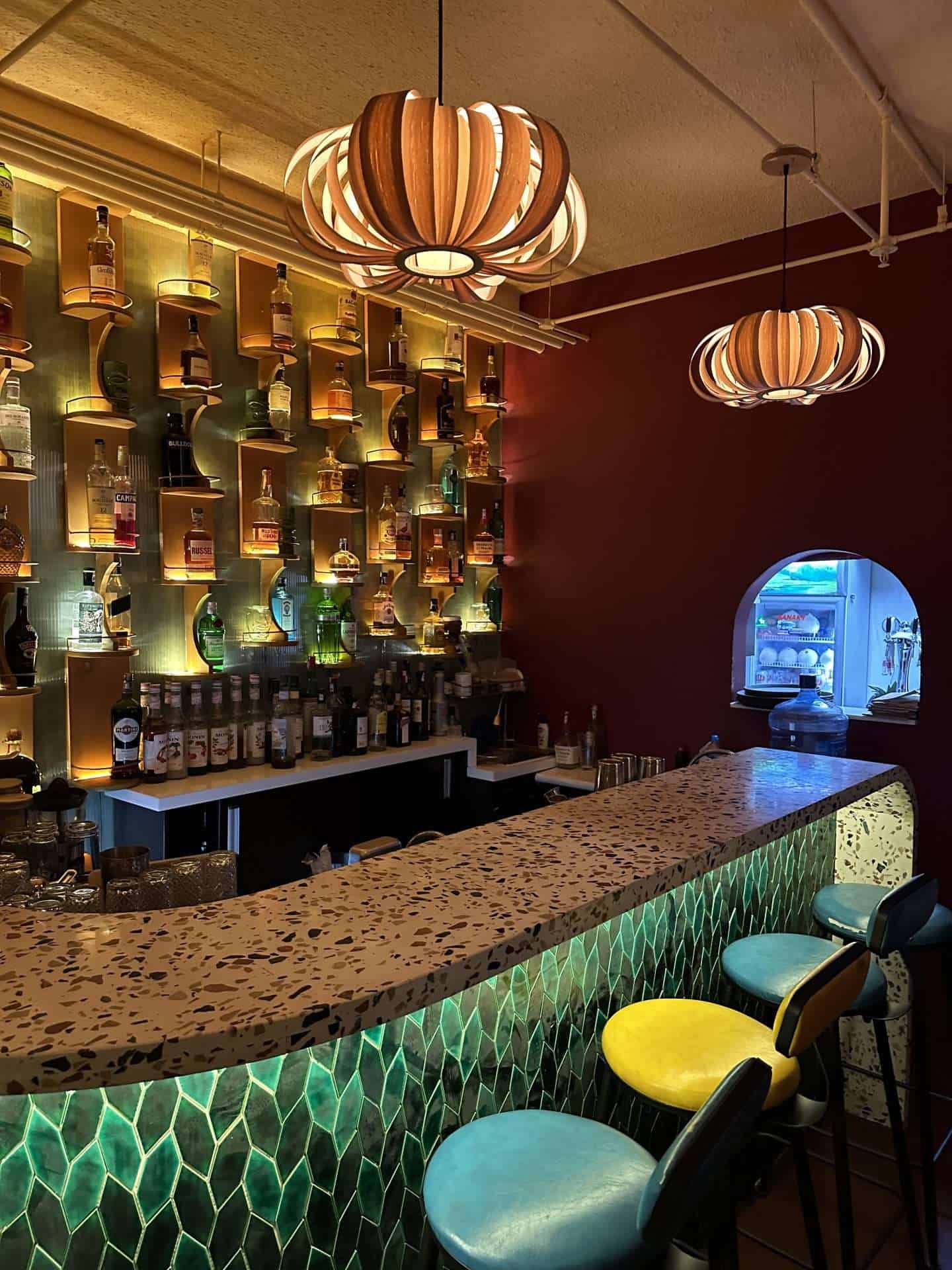
Larger cities like Ho Chi Minh City have a thriving rooftop scene. You can find a ton of rooftops in District 1 especially at nicer hotels. These are great spots to enjoy a view of the city or catch the sunset while having a drink in the fresh open air setting. Surprisingly though, there are plenty of non-crowded options to visit, even during the holidays.
Many of these hotels also have small rooftop pools. These are a huge bonus because even in the “winter” season in December the weather is still regularly 90+ degrees during the day. If it’s in your budget, I strongly recommend getting a hotel with a pool. If you’re up exploring from early in the morning through mid day you will be hot and tired. Hitting the pool in the late afternoon (preferably with a passion fruit mojito) is an ideal way to take a break from the heat before heading out for the evening.
Restrooms and Sanitation
Using the bathroom is different in Asia than in North America. It is common throughout most of SE Asia to throw any toilet paper into a garbage can rather than in the toilet. While most bathrooms had toilet paper a surprising amount did not have paper towels, (working) hand driers or soap. I strongly recommend having some tissues on hand just in case, and always bringing hand sanitiser with you.
Can I plug in my electronics?
Whether you’re visiting Vietnam from North America or Europe you can easily plug in your electronics without adaptors. Hotels and airports generally use universal outlets that support both North American (Type A) and European (Type C) style plugs.

Will My Phone Work while Visiting Vietnam?
It is very overwhelming to be in a country you do not know, where they also speak a language you do not understand. For me, It is always worth the cost to have the peace of mind to be able to get around.
Vietnam is the only country that I have visited where I had an issue with my international plan. The phone worked, but the location data did not. If you ever encounter this issue, there is an easy fix on your phone. Go into your data settings and turn off the “automatic” carrier selection. Prior to this, Google (you may need to be on wifi) the best carrier in that country. If that is not what you are connected to, then select that carrier. Once I changed the carrier settings I never had another phone issue while in Vietnam.
For more information on using your phone while traveling abroad read this post.
Whatapp!
If you do not have whatsapp on your phone, download it for your trip. Whatsapp is a popular free messaging app that allows free calls and texts across the globe. When booking a tour while visiting Vietnam, it is very common to have your tour guide send you messages via Whatsapp prior to your start time and date.